
Player count · RTS
StarCraft II
Player count and genre ranking
StarCraft II has an estimated peak of approximately 17,000 concurrent players as of 2026-11-17.
Coverage: PC · Battle.net · editorial concurrent-peak estimate. Ranked #2 in the tracked RTS lineup.
Source: TheGoatBoard editorial estimate · Retrieved Tue, 17 Nov 2026 23:26:54 GMT
Editorial estimate set to 17,000 on 17 November 2026 by TheGoatBoard's owner. No supporting measurement or calculation was supplied; the official website is background only and does not verify this figure. Not Blizzard telemetry or a measured rolling 24-hour peak. No uncertainty range is established. StarCraft II is distributed through Battle.net, not Steam.
Unverified dated estimate, not a measured rolling 24-hour peak. A page refresh does not renew the estimate date.
Concurrent players are not daily active users. No historical trend is available yet. Sources & methodology
Dated AI analysis — not a hands-on review
StarCraft II pairs sharply differentiated factions with demanding economic and army control, offering cinematic solo strategy and competitive depth that rewards practice but can overwhelm newcomers.
TheGoatBoard AI Editorial · · Not a hands-on review
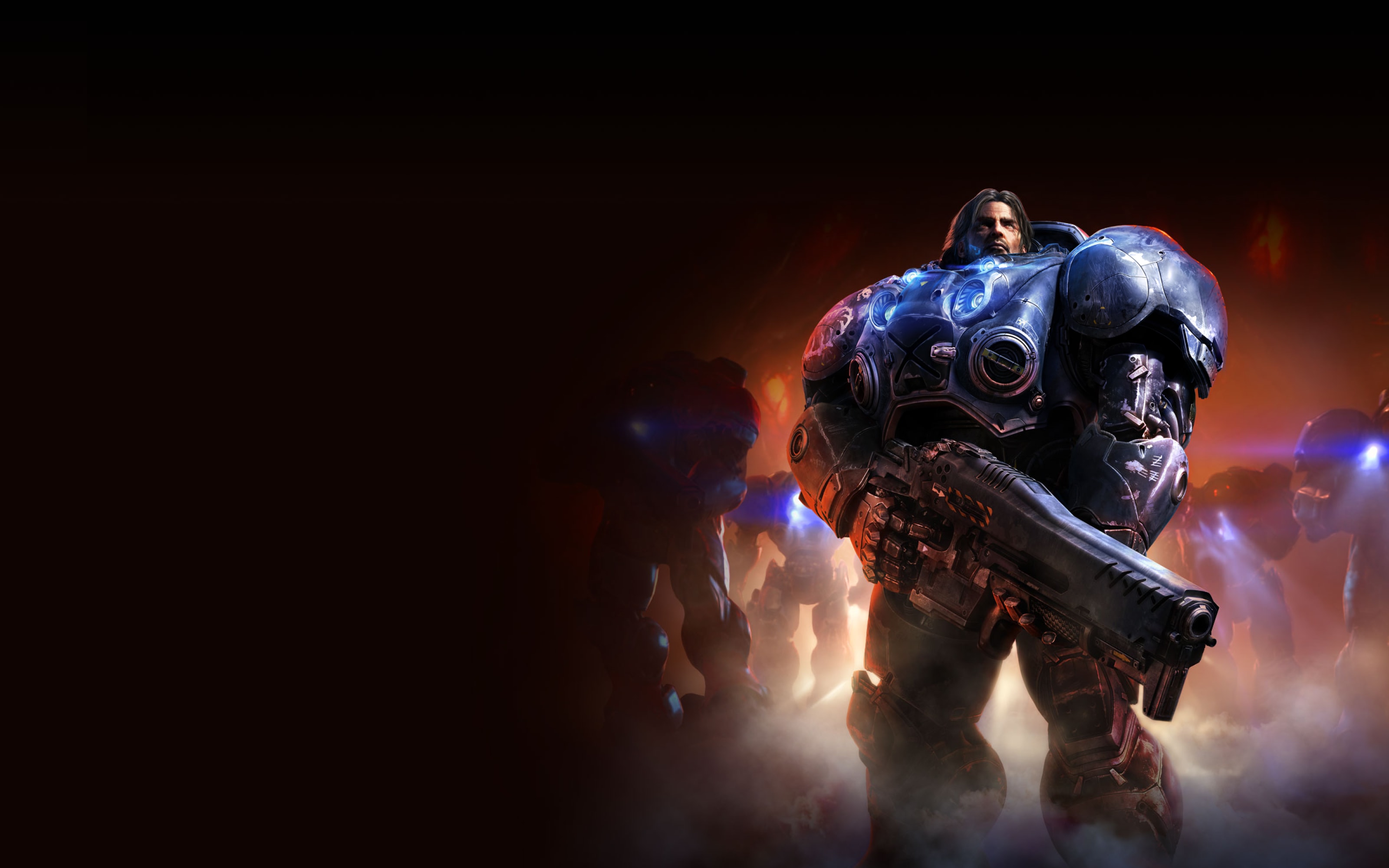
Official Blizzard Entertainment game description retrieved at review generation. AI editorial analysis, not a hands-on test. Game details can change after this review's date.
Gameplay: Three Different Strategic Languages
StarCraft II builds its strategy around gathering minerals and gas, expanding production, scouting opponents, and converting resources into an effective army. Terran, Zerg, and Protoss differ substantially in how they construct bases, produce units, and control territory, making faction choice more than a visual preference. Battles demand both preparation and precise unit control: a strong economy can be undermined by poor positioning, while clever tactics cannot reliably compensate for neglected production. The central challenge is managing these interconnected priorities under continuous time pressure.
Appeal: Cinematic Campaigns and Competitive Depth
The cinematic single-player campaigns offer a different attraction from competitive multiplayer: authored missions and faction-focused storytelling give strategic decisions narrative context. Multiplayer instead emphasizes adaptation, with scouting and concealed information making an opponent's intentions something to investigate rather than assume. StarCraft II's established esports legacy reflects how much strategic and mechanical depth this framework supports, not a guarantee that every player will enjoy it. Its strongest appeal is the opportunity to learn a faction deeply while continually refining decisions about expansion, technology, army composition, and timing.
Tradeoffs: Attention Is a Strategic Resource
The same interconnected systems that create depth also impose a substantial learning burden. Players must divide attention between workers, production, supply, scouting, and combat, and mistakes in one area can quickly affect the others. Race asymmetry adds matchup knowledge to that workload, so understanding your own units is only part of becoming comfortable. Campaign play provides a more directed alternative, but it does not reproduce every demand of competitive matches. Anyone seeking leisurely planning or minimal execution pressure should weigh those preferences against the game's real-time demands.
Strengths
- Distinct faction economies and production systems
- Deep interaction between scouting, economy, and combat
Consider before playing
- High multitasking and unit-control demands
- Competitive play requires substantial matchup learning
The verdict
StarCraft II is a compelling choice for players who want faction asymmetry, cinematic solo missions, and competitive strategy with considerable room for improvement. Its demands are equally important to the recommendation: success requires sustained attention and practice. Choose it for active decision-making and mastery, rather than relaxed battlefield planning.