
Player count · RPG
Monster Hunter Wilds player count
Player count and genre ranking
Monster Hunter Wilds had a reported 24-hour peak of 20,606 concurrent players as of Wed, 18 Nov 2026 00:57:42 GMT. Source: Steam Charts. Coverage: Steam only. Ranked #6 of 16 tracked RPG games.
Coverage: Steam only. Ranked #6 in the tracked RPG lineup.
Source: Steam Charts · Retrieved Wed, 18 Nov 2026 00:57:42 GMT
Concurrent players are not daily active users. History includes only saved measured observations, not reconstructed past counts. Sources & methodology
Daily player-count history
Saved daily checks of reported 24-hour peaks, by UTC date. Gaps are not interpolated; estimates are not historical measurements.
One observed day is available; a trend requires more observations.
| UTC date | Peak players | Coverage / source |
|---|---|---|
| 20,606 | Steam only · Steam Charts |
AI-generated overview
Dated AI analysis — not a hands-on review
Monster Hunter Wilds centers progression on learning monsters and crafting equipment, with changing environments framing the hunts. Weapon mastery matters more than conventional dialogue-driven role-playing.
TheGoatBoard AI Editorial · · Not a hands-on review
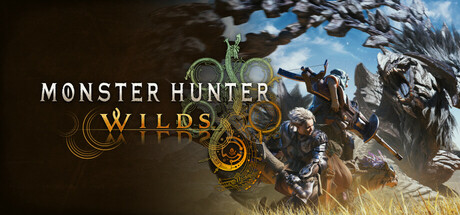
Steam store description retrieved 2026-11-18. AI interpretation, not a hands-on test. Game details can change after this review's date.
Hunting is the progression loop
Monster Hunter Wilds builds its RPG progression around equipment made from hunting monsters and gathering materials. Choosing a weapon means choosing a combat style, with different moves, defensive options, and commitment windows to learn. Successful hunts depend on reading attacks, positioning well, and recognizing opportunities rather than simply raising a character level. Targeting particular monster parts can serve practical goals within that loop. The central reward is a growing understanding of your weapon and quarry, supported by gear that expands your build options.
A changing world around the fight
The supplied description emphasizes environments that transform and a story about humans and monsters sharing an unstable world. Those priorities give the hunts an ecological framing rather than presenting each target as an isolated arena opponent. Wilds also supports cooperative hunting, making preparation and combat coordination part of its appeal for groups. Under an RPG classification, its strongest attraction is build development through repeated encounters: players develop a specialized hunter through equipment choices and expertise, not primarily through branching conversations or moral alignment.
Repetition with a learning curve
Repeated hunts are fundamental, particularly when pursuing materials for a desired weapon or armor set. That structure can be satisfying when each encounter improves your execution, but tiresome if you mainly want new narrative content. Weapon systems also demand learning; a style that feels awkward initially may require practice before its advantages become clear. The description alone cannot establish performance on a particular machine, and no hardware recommendation follows from this review. Judge the fit primarily by your appetite for deliberate combat and equipment-focused repetition.
Strengths
- Distinct weapon styles reward sustained mastery
- Monster materials give hunts concrete build goals
Consider before playing
- Equipment goals often require repeated hunts
- Dialogue-driven role-playing is not the focus
The verdict
Monster Hunter Wilds is best considered for its deliberate combat, cooperative hunts, and equipment-driven progression. The changing-world premise adds context, but learning monsters remains the essential attraction. If repetition feels rewarding when it builds mastery, the structure makes sense; if you want chiefly branching narrative, look elsewhere within RPGs.