
Player count · E-sports FPS
VALORANT
Player count and genre ranking
VALORANT has an estimated peak of approximately 4,000,000 concurrent players as of 2026-11-17.
Coverage: All platforms · editorial concurrent-peak estimate. Ranked #1 in the tracked E-sports FPS lineup.
Source: TheGoatBoard editorial estimate · Retrieved Tue, 17 Nov 2026 23:26:49 GMT
Editorial estimate set to 4,000,000 on 17 November 2026 by TheGoatBoard's owner. No supporting measurement or calculation was supplied; the official website is background only and does not verify this figure. Not Riot Games telemetry, daily active users, or a measured rolling 24-hour peak. No uncertainty range is established.
Unverified dated estimate, not a measured rolling 24-hour peak. A page refresh does not renew the estimate date.
Concurrent players are not daily active users. No historical trend is available yet. Sources & methodology
Dated AI analysis — not a hands-on review
VALORANT combines precise, round-based shooting with agent utility, rewarding coordinated teams while demanding patience with its steep tactical learning curve.
TheGoatBoard AI Editorial · · Not a hands-on review
Official Riot Games game description retrieved at review generation. AI editorial analysis, not a hands-on test. Game details can change after this review's date.
Gunplay and utility share the spotlight
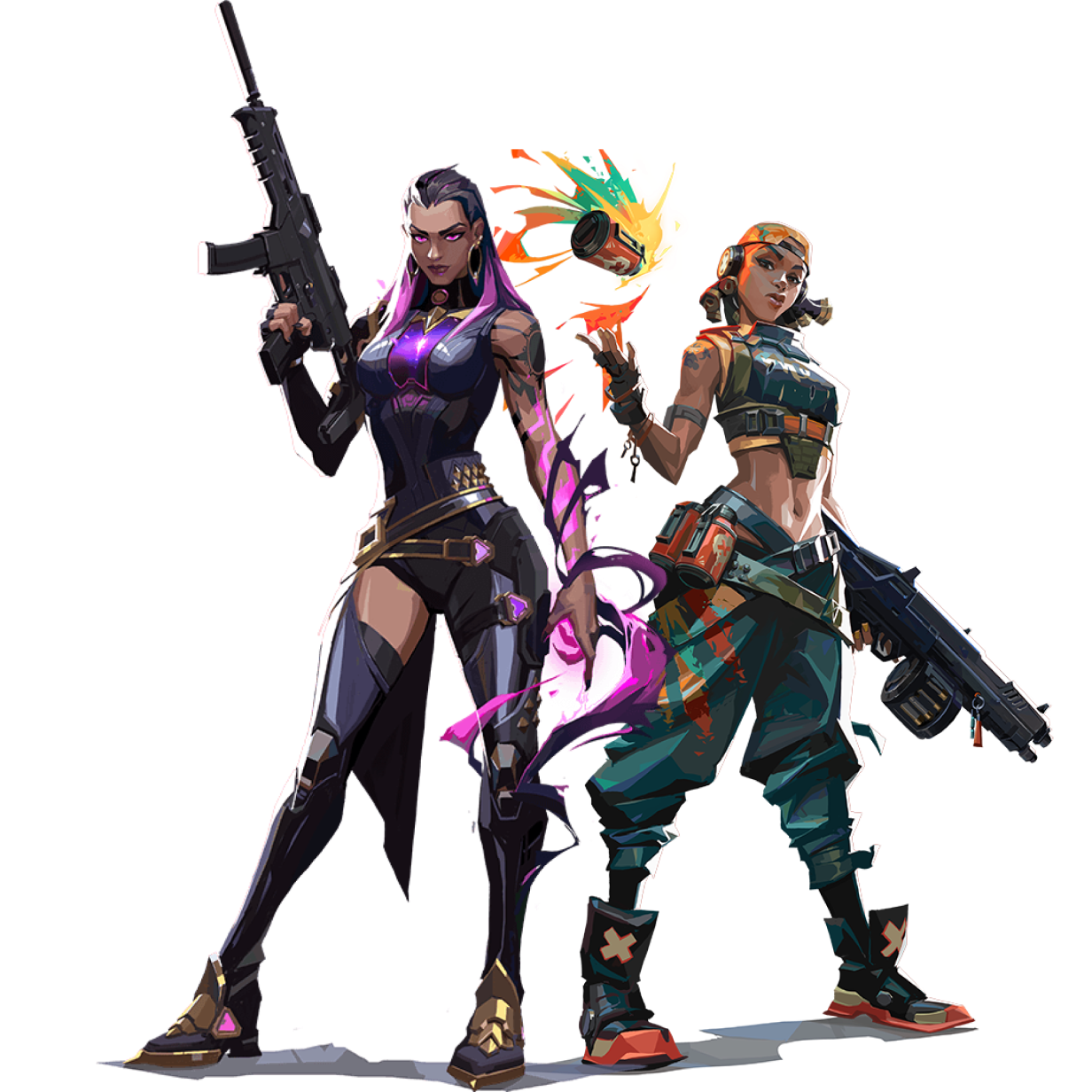
VALORANT builds its tactical contest around five-player teams attacking and defending bomb sites, with attackers seeking to plant the Spike and defenders trying to prevent or defuse it. Accurate shooting matters, but agent abilities shape when and where fights happen through information gathering, obstruction and area control. The round economy adds another decision layer: spending on weapons and utility must fit the team's resources and plans. Success depends on combining positioning, disciplined aim and purposeful ability use rather than treating either gunplay or powers as a shortcut.
A strong fit for coordinated competitors
The appeal lies in how much influence a coordinated team can exert over a round. A smoke can make a dangerous crossing manageable, information can guide a rotation, and synchronized pressure can stretch a defense. Different agent roles offer ways to contribute beyond winning every duel, although everyone still needs sound shooting fundamentals. For players who enjoy studying angles, communicating concise information and refining repeatable strategies, VALORANT offers a competitive framework where preparation and adaptation matter alongside mechanical execution.
Learning demands and teamwork friction
The same interlocking systems that create tactical depth also make the game demanding to learn. New players must understand map layouts, weapon behavior, economy decisions and the purpose of unfamiliar abilities while opponents punish exposed positioning. Being eliminated can mean watching the rest of a round, making mistakes feel consequential rather than quickly forgotten. Team dependence is another tradeoff: good communication can clarify a plan, but mismatched intentions can undermine it. Players seeking constant action or largely self-sufficient competition may find the stop-start structure less appealing.
Strengths
- Agent utility creates varied tactical setups
- Round economy rewards coordinated spending
Consider before playing
- Layered systems create a steep learning curve
- Elimination downtime and team dependence
The verdict
VALORANT is a compelling choice for players who want precise shooting embedded in a coordinated tactical contest. Its agent abilities broaden strategic options without removing the importance of fundamentals. Choose it for deliberate teamwork and long-term learning, not for uninterrupted action or an experience where individual aim solves every problem.